






















For decades, corporate security has been structured around a clear organizational divide: on one side, physical security, with its access control protocols, guards, video surveillance systems, and perimeter protection; on the other, cybersecurity, with firewalls, intrusion detection systems, identity management, and cyber incident response. Today, this separation is not only outdated in practice — it has become a critical vulnerability in itself.
Modern enterprises operate as networks of interconnected systems: badge readers are linked to cloud identity platforms, visitor management systems integrate with HR databases, IoT sensors feed predictive analytics tools, and building networks run on the same IT infrastructure that hosts critical business applications, video surveillance, and access monitoring systems — making them vulnerable when targeted by cyberattacks.
The Landscape of Converging Threats
Recent years have seen a significant acceleration in threat convergence. Artificial intelligence is now used both as a defensive tool and as a force multiplier for attackers: automated phishing, rapid identification of corporate vulnerabilities, creation of deepfake identities, and deployment of adaptive malware operate at a scale and speed beyond the response capabilities of traditional defenses. Recent studies conducted by the World Economic Forum indicate that the vast majority of security leaders consider artificial intelligence the primary risk factor for the next two years.
At the same time, geopolitical tensions are driving an increase in attacks within the digital domain, often unattributed, targeting corporate infrastructures as extensions of conflicts between states. Illicit discussions related to the malicious use of AI on dark web forums have experienced unprecedented growth, signaling a transition from criminal curiosity to the active development of AI-driven offensive frameworks.
The Costs of Organizational Fragmentation
Organizations that maintain separate silos between physical security and cybersecurity pay a high price in terms of response times, resource duplication, and coverage gaps. An incident involving both physical and digital dimensions — an increasingly common scenario — requires coordination that fragmented structures cannot provide with the necessary speed.
A striking example is represented by cloud service outages simultaneously impacting physical access to buildings, digital identity systems, and business operations. Downtime for large enterprises can generate costs amounting to thousands of euros per minute, with consequences spreading across every dimension of the organization. Companies lacking integrated failover plans often find themselves managing multiple simultaneous crises without a unified operational framework.
Toward a Converged Security Model
Corporate security convergence requires rethinking organization, processes, and technology. From an organizational perspective, the most advanced companies are migrating toward unified Security Operations Centers (converged SOCs) that integrate physical and digital monitoring functions under a single governance structure. Incident response plans must simultaneously address digital breaches and physical disruptions, with clear decision-making flows and well-defined responsibilities.
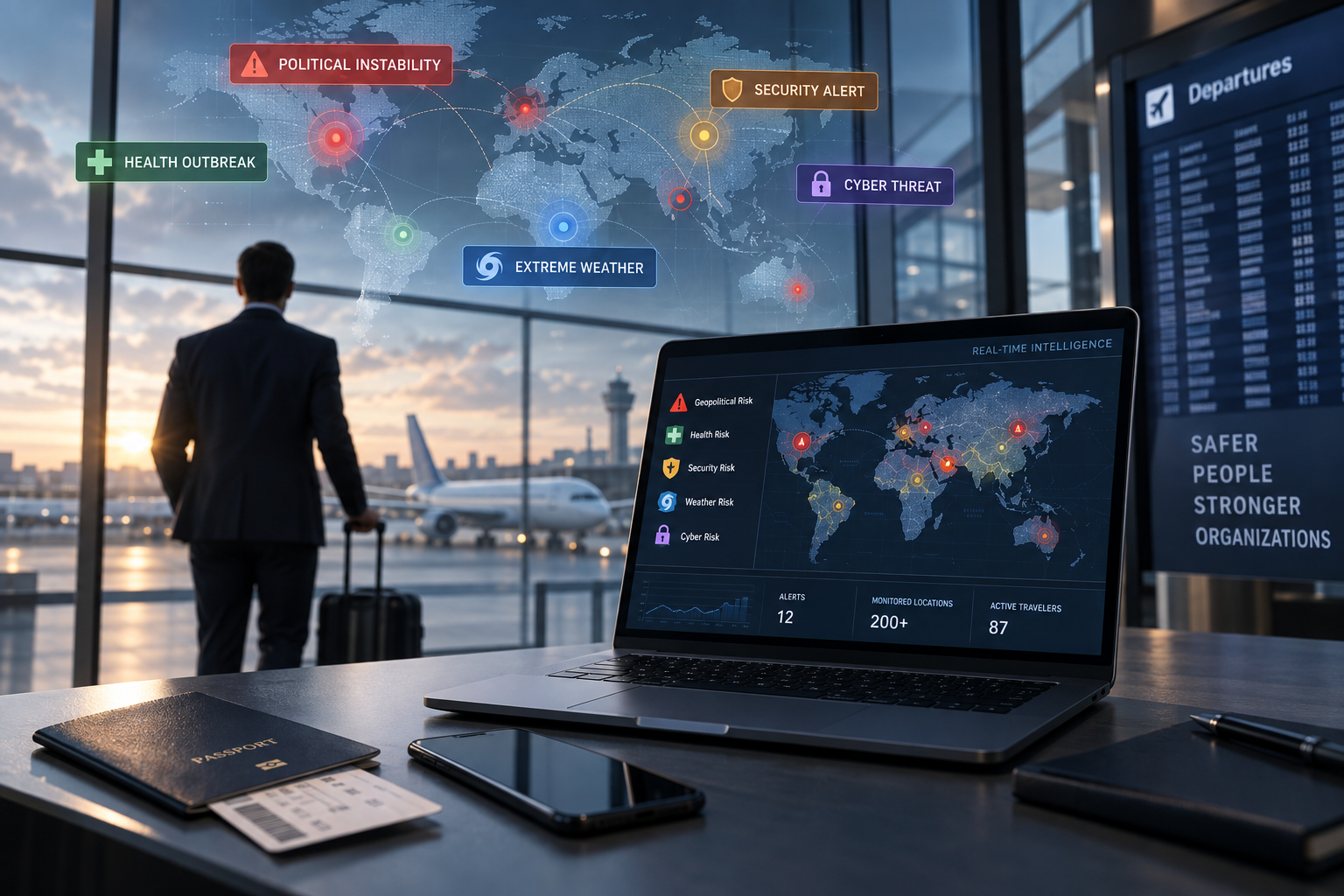
From an intelligence perspective, convergence implies creating a shared information layer capable of supporting both physical and cybersecurity decisions. For example, an alert regarding increasing geopolitical tensions in a specific region should simultaneously trigger a strengthened cyber security posture for operations in that area and updated physical security protocols for personnel on the ground.
The Skills Required for the Converged Security Manager
Convergence is also transforming the professional profile of the security manager, who must possess cross-domain expertise and understand the interdependencies between physical and digital systems. Soft skills become essential: the ability to communicate risk to corporate leadership in a unified manner, coordinate teams with different professional cultures, and translate intelligence insights into concrete and timely operational measures.
Continuous training for security personnel must reflect this evolution by incorporating simulation scenarios involving both physical and digital dimensions simultaneously. Workshops limited to a single domain produce incomplete preparation compared to the reality of contemporary threats.
Kriptia’s Support
Kriptia supports organizations in their journey toward Converged Security through an approach that integrates security management, corporate intelligence, and technological expertise. Kriptia’s Security Governance services include integrated assessments of physical and digital risks, the design of converged organizational models, the definition of incident response plans covering the full spectrum of threats, and specialized training for security managers and operational teams.
Through proprietary digital platforms for Risk Audit and Security Management, Kriptia provides companies with the tools to monitor, analyze, and manage risks in a unified manner — overcoming organizational silos and ensuring a coherent and resilient security posture.